River Cruising
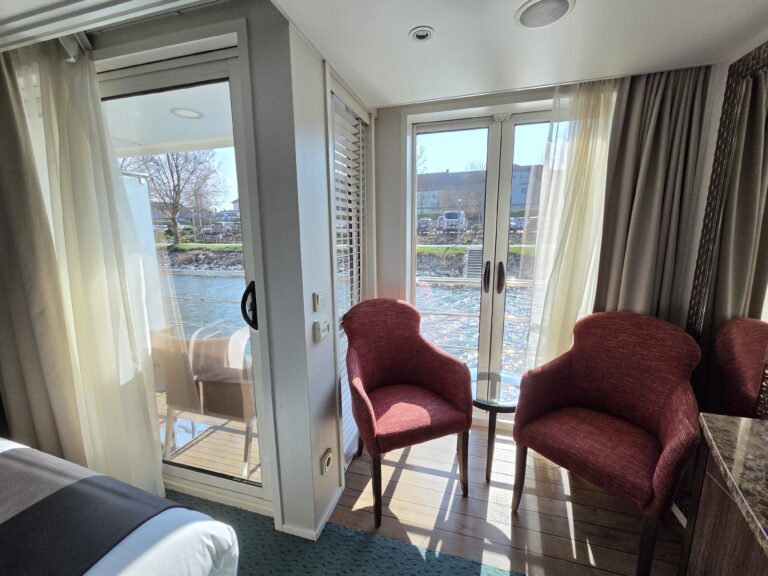
River cruising is most recognizable in Europe but they also explore rivers in the Americas, Asia, and Africa. Some partners include AmaWaterways and Tauck.
Expedition
Expedition cruising is most recognized in the polar regions but many visit the Galapagos, the Amazon, and more. Some partners include National Geographic and HX Expeditions.
Small Ship Ocean Cruising
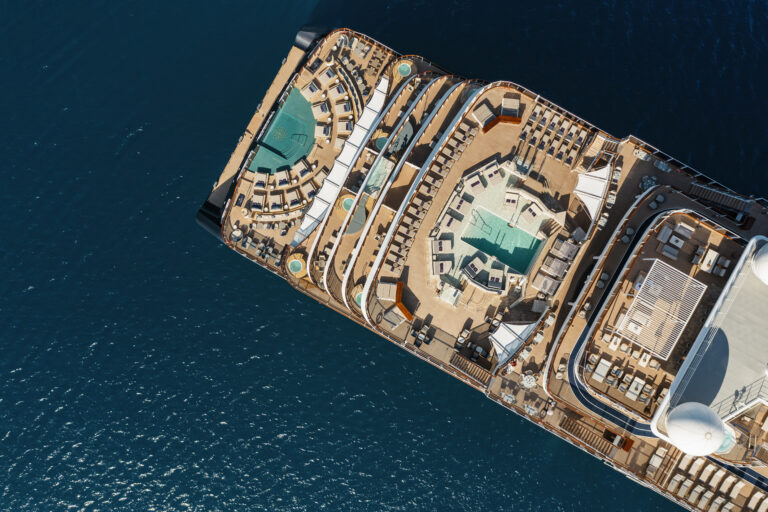
Small ship ocean cruises travel all over the world include the Caribbean, Europe, and Asia. Some partners include Explora, Azamara, and Regent.
If you’ve ever looked at a large ocean liner with thousands of passengers and thought, “cruising might not be right for me,” you may not have really understood all of your options. Small ship cruising trades the floating theme park for something more intimate. Travelers get closer to the destinations all the big ships visit and gains access to destinations along rivers and in remote areas.
What “Small Ship Cruise” Actually Means
There are a wide variety of small ships but I define it as a ship with less than 1,000 passengers. River cruises and smaller yachts often carry less than 200 passengers. The main difference between small ships and large ocean liners is the journey is often about the destination, not the ship. Travelers not only get closer to town centers but often spend more time docked and less time traveling from the ship to the main sights. Here are the three main types of trips:
- River cruising: River cruising is most recognized in Europe – specifically the Rhine and the Danube. You can also cruise in Portugal and the wines regions of France. River cruises are also common in Asia, Egypt, southern Africa, Columbia, and in the Amazon. This is a great option to see a large chunk of Europe without moving hotels and areas of the world where you might feel more comfortable with a guide. Think AmaWaterways and Tauck.
- Small ship ocean cruising: Small ship ocean cruising can vary from 200 to under 1,000 guests and often feels like a boutique hotel at sea. There are fewer big shows and less flashy ship designs. Instead, travelers often find curated dining options, longer stays in port, more inclusive pricing, and a more intimate atmosphere. Small ship cruises can be very high end but there are options to find a variety of budgets. Think Explora Journeys, Regent Seven Seas, and Azamara.
- Expedition cruising: Expedition cruising is for adventure! These ships are purpose-built designed to reach remote places that bigger vessels physically can’t, often carrying fewer guests. They are most popular in the polar regions visiting places like Iceland, Greenland, Svalbard, Scandinavia, and Antarctica. Travelers can also visit the Galapagos, Alaska, Asia, and more. Think Lindblad Expeditions and HX.
Is Small Ship Cruising Right for You?
Small ships offer a completely different experience in many ways:
- You get closer to the ports. On larger ships, you spend a lot of time getting on and off the ships and getting into town. But small ships mean you can get on and off the ship with ease. Not only do you have easy access to town but there are also beautiful views from the ship as you approaching each destination.
- The destination is the focus, not the ship. There’s no waterpark or big shows competing for your attention. Small ships truly immerse travelers in the destination they want to explore. Explore multiple islands or multiple cities without unpacking, moving hotels, or managing transportation between cities. On more remote voyages, travelers get us close with coastlines, glaciers, and local wildlife with reasonable guides leading the way.
- Bigger value: Some people overlook small ship because they tend to be more expensive. But it’s important to consider the full value of a cruise instead of just look at the baseline pricing. Small ships often offer more inclusive pricing including a drink package, no interior rooms, or included excursions. For example, river cruises like Tauck and AmaWaterways include a variety of excursions while on board. While each line is different, it’s important to consider what’s included before deciding if the cost is worth it.